News
Trigger Points
Trigger Points Injections in Lebanon, TN
Understanding Trigger Points in Lebanon, TN: What They Are and How to Address Them
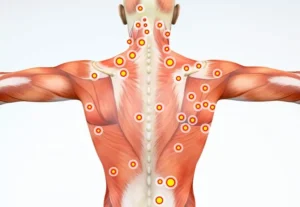
Trigger points, often referred to as muscle knots, are small, tight areas of muscle fibers that can cause discomfort and pain. These little trouble spots can be frustrating, affecting movement and contributing to headaches, neck pain, lower back discomfort, and other muscular issues. But what exactly are trigger points, and how can you alleviate them?
What Are Trigger Points?
Trigger points are hypersensitive spots that form within a muscle or its connective tissue (fascia). When muscles are overused, injured, or stressed, they can develop these points of tension. Trigger points can be classified into two main types:
- Active Trigger Points: These cause pain in the area where they are located and may radiate pain to other parts of the body. For example, a knot in the shoulder muscle may cause pain that radiates down the arm.
- Latent Trigger Points: These are inactive and typically don’t cause pain unless pressure is applied. However, they can still cause muscle stiffness and limit range of motion.
Causes of Trigger Points
Trigger points can develop due to a variety of factors, including:
- Muscle Overuse: Repeated movement or poor posture can lead to muscle fatigue, which increases the likelihood of trigger points.
- Injury or Trauma: Any injury to a muscle, such as sprains or strains, can create the perfect environment for trigger points to form.
- Stress and Tension: Emotional stress can lead to tightness in the muscles, contributing to the development of trigger points.
- Poor Posture: Sitting or standing in awkward positions for long periods can strain muscles and lead to muscle knots.
- Dehydration and Poor Nutrition: Lack of adequate hydration and insufficient nutrients can contribute to muscle cramps and tension.
Symptoms of Trigger Points
The symptoms of trigger points vary depending on their location and severity but often include:
- Localized pain: A deep, aching sensation at the site of the trigger point.
- Radiating pain: Pain that spreads to other parts of the body, even far from the original muscle.
- Muscle stiffness: Difficulty moving the affected muscle fully or a feeling of tightness in the area.
- Reduced range of motion: Trigger points can limit flexibility and movement.
- Tension headaches: Trigger points in the neck and shoulders are common culprits behind tension headaches.
How to Treat Trigger Points
While trigger points can be bothersome, there are several ways to manage and treat them:
1. Self-Massage (Myofascial Release)
One of the most effective methods for releasing trigger points is through self-massage. Applying gentle but firm pressure to the muscle knot with your fingers, a foam roller, or a massage ball can help release the tension and improve blood flow to the area. Be sure to target the exact spot and use circular motions or sustained pressure to help the muscle relax.
2. Stretching
Regular stretching can help relieve muscle tightness and prevent trigger points from forming in the first place. Focus on stretches that target the muscles where you commonly experience knots, such as the neck, shoulders, back, and thighs. Stretching can increase flexibility and promote relaxation in the affected muscles.
3. Heat and Cold Therapy
Applying heat or cold to the affected area can help reduce inflammation and alleviate pain. Heat increases blood flow to the muscle, which can help the muscle relax, while cold therapy can numb the area and reduce swelling.
4. Physical Therapy
If you’re struggling with persistent trigger points, working with a physical therapist can be highly beneficial. They can guide you through specific stretches, strengthening exercises, and manual therapy techniques designed to target trigger points and prevent them from recurring.
5. Professional Massage Therapy
Licensed massage therapists are trained to identify and release trigger points through deep tissue massage, myofascial release, and other techniques. Professional massages can offer relief, especially when trigger points are particularly painful or difficult to reach on your own.
6. Pain Relief Medications
For intense or acute pain, over-the-counter pain relievers like ibuprofen or acetaminophen can provide short-term relief. However, they won’t address the underlying cause of the trigger points, so they should be used in conjunction with other treatment methods.
6. Trigger Point Injections
Utilizing local anesthetics like Lidocaine and prolotherapy, the advanced providers at Restoration can inject trigger points for quick and effective relief.
Preventing Trigger Points
While you can’t always avoid trigger points entirely, there are several steps you can take to reduce the likelihood of developing them:
- Maintain good posture: Be mindful of your posture when sitting, standing, and walking to avoid unnecessary muscle strain.
- Stay hydrated: Proper hydration is essential for muscle function and helps prevent cramps and tightness.
- Exercise regularly: Regular physical activity keeps muscles flexible, strong, and less prone to overuse injuries.
- Take breaks: If you sit for long periods, stand up, stretch, or walk around every 30 minutes to relieve muscle tension.
- Manage stress: Practices like meditation, yoga, or deep breathing can help reduce overall stress and muscle tension.
Conclusion
Trigger points are a common and often painful issue, but with the right approach, they can be effectively managed. By understanding what causes them, recognizing the symptoms, and utilizing a combination of self-care, therapy, and lifestyle changes, you can prevent and treat trigger points, leading to better muscle health and overall well-being. Whether you choose to manage them yourself or seek professional treatment, don’t let muscle knots hold you back from feeling your best!
Consult with us today for trigger points in Lebanon, TN to determine the most suitable options for your unique needs.
Request more info or book your consult today!
Disclaimer: The statements on this page are not medical advice and have not been evaluated by the Food & Drug Administration (FDA). None of the products or services contained herein are intended to diagnose, treat, cure, or prevent any disease.